| |
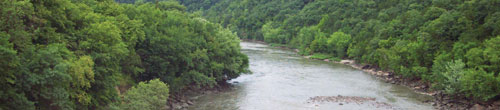
Ten years ago, I think the water quality of the river looked unhealthy, murky, and green. I would not have wanted to swim in it, or use it for watering pets, horses, or myself. I don’t see a lot of improvement today, due to the continued problem of erosion, and the pollutants that are
introduced into the river and streams due to the erosion. I do anticipate changes, due to some implementation practices along the Yellow Medicine River, that our watershed will be
establishing through its CWP’s.
During these past ten years, the Yellow Medicine River Watershed District has completed diagnostic studies and is now involved in an implementation plan to address the priority sites and problems detected in the studies. We have found some areas with excess phosphorus, excess nitrites- nitrates, and excess suspended solids. We are planning to survey the entire Yellow Medicine River with a GPS unit, and determine where filter strips exist, and where they do not. And then, in the case of where they do not, we plan to use our CWP implementation funds to establish filter strips in those locations, by working with the landowner to provide incentive payments to establish the filter strips.
The Minnesota River s a tourist attraction for fishermen, hunters, canoeing, and various other forms of recreation. I want to do my part to improve the water quality of the Minnesota river, to show these tourists, many from out of state, the real beauty of the river, and the quality of the waters that provide a quality ecosystem for the wildlife and aquatic life, so that the fish that are caught are safe to eat, and tourists will be impressed with the efforts of so many, in restoring and maintaining the water quality of the Minnesota River. I don’t like to see problems such as the recent issue with deformed frogs to the quality of the water, or the pollutants in the water.
I think that 75 % of the general public is interested in the quality of the water of the Minnesota River. The other 25% think that there is not a problem, or that we should leave it alone and let mother nature deal with the problem. Some of the people have told me that they don’t see any changes from the way it was 30 years ago, and that our efforts are a waste of time. However, with the positive and progressive 75% of the general public, and high school students in particular, they do sense a need to act now on ensuring the healthy future of the River. I grew up on the banks of the Blue Earth River, and hope to someday return there to reestablish a home on those same banks. I have a strong love for rivers and lakes, and feel so strongly that Minnesota has so much to be proud of, and yet so much to protect, which of course requires adequate funding to save and protect all of the waters of Minnesota.
I think that we have a lot of issues to face in the areas of disposal of trash, feedlot runoff, septic systems, and erosion from high open and eroding banks. We find dumped in our river, various forms of appliances, agriculture waste, such as fertilizer and insecticide containers, as well as tires, axles, etc. People have to come to the realization that a river is not a waste disposal site, mother nature cannot repair the damage caused by careless, thoughtless humans.
I feel that my efforts in water quality monitoring, and working with partners in assessing the ecosystems environment for healthy aquatic life, and in educating the public about the importance of protecting our rivers, have been instrumental in ensuring the future of improving water quality, and that I have already made a difference. Our watershed goal of lowering the amount of pollution in the Yellow Medicine River, before it enters the Minnesota River, by at least 25%, can be obtained with absolute diligence on my part and the residents of the Yellow Medicine River Watershed.
Back to Minnesota River Stories
|