| |
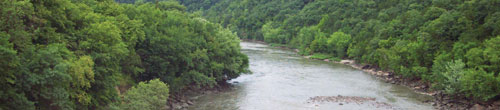
Let’s go back and take a glimpse at my image of the Minnesota River close to some
20 years ago. I do this because that is coincidentally just prior to the time many questions and issues were beginning to be raised about the river’s health at a natural resource and governmental level. It is also when I took a heightened interest in it myself for various and somewhat obvious reasons. At that time I regularly used the river for recreation and income generation on several levels as newspaper columnist, radio show host and river excursion guide. I had long suspected that the Minnesota River was experiencing water quality issues, because of the many pipes I viewed along its banks, the distinct changes in color and clarity of the water, various isolated heavy organic smells and wildly fluctuating water levels. Of course I was not focused on causes but I did have my suspicions at the time. But at the same time I was also astonished at the phenomenal fish population and the huge variety of species that the river possessed along with the unique beauty and desolation of the floodplain and bluffs. My image of the river was good but tempered by questions regarding its environmental health.
Fast forward to ten years ago in 1996 and my image of the river is one that had experienced many changes. The flood of 1993 was a humbling experience for me which wiped out and entire year of guiding and adversely affected my river excursion business long term. The river was experiencing even more consistent wild fluctuations in flows than in previous years, which was causing extensive bank erosion and loss of floodplain and shoreline tree cover vegetation like never before. An extensive 4 year study had then been completed by numerous agencies and universities which clearly identified that the river system was experiencing a water quality and quantity crisis. But the good news was we (citizens in the watershed and interest groups, me included) had collectively written a plan designed to restore water quality and quantity to a usable and socially acceptable level. My image of the river was still a good one but had changed to the realization that things were never going to be the same from this point forward. Conditions would either get much worse or we would gain the will as a citizenship and begin to turn around what had been done to get us to this crisis point. I remained optimistic and hopeful that people would make the right decisions as owners of our children’s environmental future given the science we now possessed and actions that could begin the long recovery process.
My image today is one of excitement for the future of water quality and the potential for the Minnesota River to be a greater part of our lives in a more positive way. We have taken many right directions and at times have demonstrated how we can work together to accomplish phenomenal goals, but we do continue to have challenges that will be on-going which will have the potential to stress our watershed and undo the gains we have made. These will come from land use and human infrastructure needs. But if we can continue to call upon the greater watershed citizenship to provide leadership and guide our actions mindful of the big picture and aware of the stake that all of us have, we will be ready to solve or at least manage the most difficult challenges.
In ten years I see a cleaner river with society continuing to recognize the river and its tributaries as this regions greatest natural resource and one of our best business partners. I see protection of the gains made in water quality taking the form of acceptable clearly defined laws that all readily and happily adhere to both individually and in all forms of business. I also see economic incentives that foster transition making sustainability of natural resource uses a choice that can’t be avoided.
I have to mention two things that stick out as most successful and gratifying from both an organizational and individual perspective in regards to restoring the Minnesota River. First off would be what I view as a significant shift in public attitude and awareness regarding the condition of the Minnesota River since about 1990. If it were not for the persistent diligence of a few committed people that had the insight to advocate for and organize citizens who shared the same vision of a cleaner self sustaining watershed, I’m convinced we wouldn’t have made a great
portion of the significant strides that have been made towards that goal. Over the past 20 years I have personally given many hundreds of presentations to the public on the subject of the Minnesota River. Nothing is more challenging or rewarding than seeing an incremental movement by society to what they know in their deepest thoughts and heart is the right direction for the greater good of all. Secondly, taking this shift in attitude and putting it to action as a collective was extremely successful and gratifying when we came together as a basin and secured 250 million dollars of federal and state government money to be used to restore the floodplains of the river watershed.
This was a phenomenal success story that will be held up as an example for lifetimes to come of what can be accomplished when society puts aside differences, finds common ground and visions a much better place and condition for our natural surroundings. Success here can be defined as leadership led and emboldened by the sentiment and will of the watershed citizens who together made this come to fruition. Today we have 100,000 acres of formerly cropped flood land that has been returned to its natural state once again allowed to act as an iatrical natural part of the river.
My interest in the Minnesota River is multi-faceted. Fishing does dominate my river activity, but I am continually inspired by the scenic beauty the river provides for me on a daily basis having my office window look right out over the river and valley. I have had several profound experiences on the river which run the gamut from hilarious to extremely dangerous. I guess in the end the river experience and anticipation of what is up around the bend is the thing that most interests me. The place is never boring, all you have to do is open and heighten your senses and you will be amazed at the subtle and not so subtle goings on.
I think the public generally thinks things are being handled to some degree. Any missing sense of urgency comes from the lack of understanding on how the health of the river is related to and affects people individually. Personalizing an issue while clarifying and defining what it is, and what can be done about it, usually motivates a good segment of the population. This is especially so when it has to do with human health or something people love to do and can’t because of existing conditions.
The challenges are numerous when it comes to trying to improve water quality. The public is extremely distracted by the daily grind and demands placed on them trying to make ends meet while juggling lifestyles and family. Throw in the war in Iraq and the bombardment of so-called news and information that comes from cable media as well as other sources and people simply become overwhelmed. That makes it so important that we who work in this arena understand that we need to be succinct and to the point with people on what it is exactly they can do to improve conditions and when they need to do it. People are not getting the message sandwiched in among all the other priorities in their lives. It’s our job to make it a priority to them so they can make it a priority for our elected officials, on some levels it is happening but not to the degree that is needed.
Through the use of the media, personal appearances, community organizing, lobbying, organizational management and one on one meetings with citizens, I have been able to spread the message of a precious resource that is stressed while at the same time pro-actively helping to find solutions with a network of partners of which I had a part in developing. I have used my creative talents such as my musical background to reach young and old alike and have been creative with initiating programs, projects and activities that spark the public’s interest and call attention to the river and surface water in general. Quantifying the impact is difficult but I think a great deal of my personal actions have and are working.
I think it is possible for us in the watershed to make positive self sustaining decisions regarding our resources while at the same time calling for engineering advances and innovations that will in tandem solve our water quality and quantity challenges. Of course this will be an on-going process because it is based on how we live. The river condition is simply a reflection and reminder on how we conduct ourselves every day.
Back to Minnesota River Stories
|